A bridge strike is a collision between a vehicle and a railway or road bridge, and most commonly involve HGVs and buses. With over 1800 incidents every year, bridge strikes are a common occurrence which can have serious consequences, potentially causing death or injury to road and rail users and having a huge impact on railway operations and road traffic. These incidents bring substantial expenses for public authorities and HGV operators, along with potential reputational harm and legal liabilities. Bridge strikes are more than just minor incidents; they cause huge damage and yet are entirely avoidable if the right measures are put in place.
The true costs of bridge strikes
The costs associated with bridge strikes are significant. The driver and any passengers could be seriously injured, the safety of trains is put at risk, and they can be fatal to or injure other road users. Bridge strikes also present a huge financial burden. The costs of a bridge strike to the operator are considerable; the company will be liable for all costs associated with the collision, including inspection of road infrastructure, repair of road surfacing, replacement of damaged traffic signs, vehicle recovery, examination and repairs of damage to the bridge, and compensation for train delays caused by an incident. Recent landmark legal cases mean Network Rail can now claim back from hauliers the huge costs incurred by bridge strikes, and they aim to claim back 100 per cent of the costs. Claims against a driver or company found to be responsible for damaging a Network Rail bridge can reach significant amounts; the average cost to Network Rail for each bridge strike is £13,000 and costs can rise to £1m per hour if the collision results in the closure of a railway line. In 2017 one of the largest claims reached over £700,000, and included the cost of inspection, repairs and paying compensation to rail companies for the disruption caused.

The company will also be liable for the damage to their vehicle and other road users’ vehicles, may lose business due to the vehicle and driver being off the road, and could be required to pay increased insurance premiums or direct compensation claims. The operator’s licence is at risk of being suspended or revoked, and they may also be liable to prosecution and face reputational damage.
Why do bridge strikes keep happening?
Despite the costly consequences, bridge strikes remain a frequent occurrence. Why does this continue to happen so often? Recent research by Network Rail has revealed that the majority of bridge strikes are caused by driver error, with 43 per cent of drivers admitting that they did not know the size of their vehicle when setting off on their journey. Since October 1997, if an HGV has an overall height exceeding three metres, its height must be displayed inside the cab using an HGV height indicator – yet many drivers in a recent survey revealed that in a rush to meet deadlines, these precautions are often overlooked. Poor route planning has also been shown as a contributing factor, with 52 per cent of drivers saying they do not take low bridges into account
when planning their journeys. While larger logistics companies increasingly use AI-driven route optimisation, smaller distribution firms and independent operators may still rely on satnavs not designed for HGV use, increasing the risk of being led into restricted areas. Additionally, some drivers mentioned the difficulty of adapting to route changes following unexpected road closures.
These comments highlight a wider industry issue, where tight delivery schedules and limited time for route planning can compromise safety. Even with good planning, unforeseen situations such as diversions can happen out on the road, and drivers should be equipped and trained to react to unforeseen situations in a safe manner. There are now developments in in-cab sensors that forewarn of low bridges and, increasingly, technology can provide helpful solutions to prevent incidents from happening.
What are Low Bridge Warning Systems?
Low bridge warning systems are AI-powered technologies that use GPS and cameras to alert drivers about upcoming low bridges. These systems provide in-cab warnings, often with both visual and audible alerts, by cross-referencing the vehicle’s specific height with a database of low bridges and analysing local signage.
How they work
AI and camera technology: Smart cameras scan for and interpret height restriction signs, working even in poor lighting.
GPS and database: High-accuracy GPS is used to locate the vehicle on a national database of low bridges, allowing for precise warnings.
Real-time alerts: When a bridge is detected that is lower than the vehicle’s height, a timely alert is sent directly to the driver via an in-cab display.
Dual-layer detection: The combination of the GPS database and the AI camera analysis provides a more robust system, reducing reliance on a single method and minimising false positives.
ACSS Low Bridge Warning System
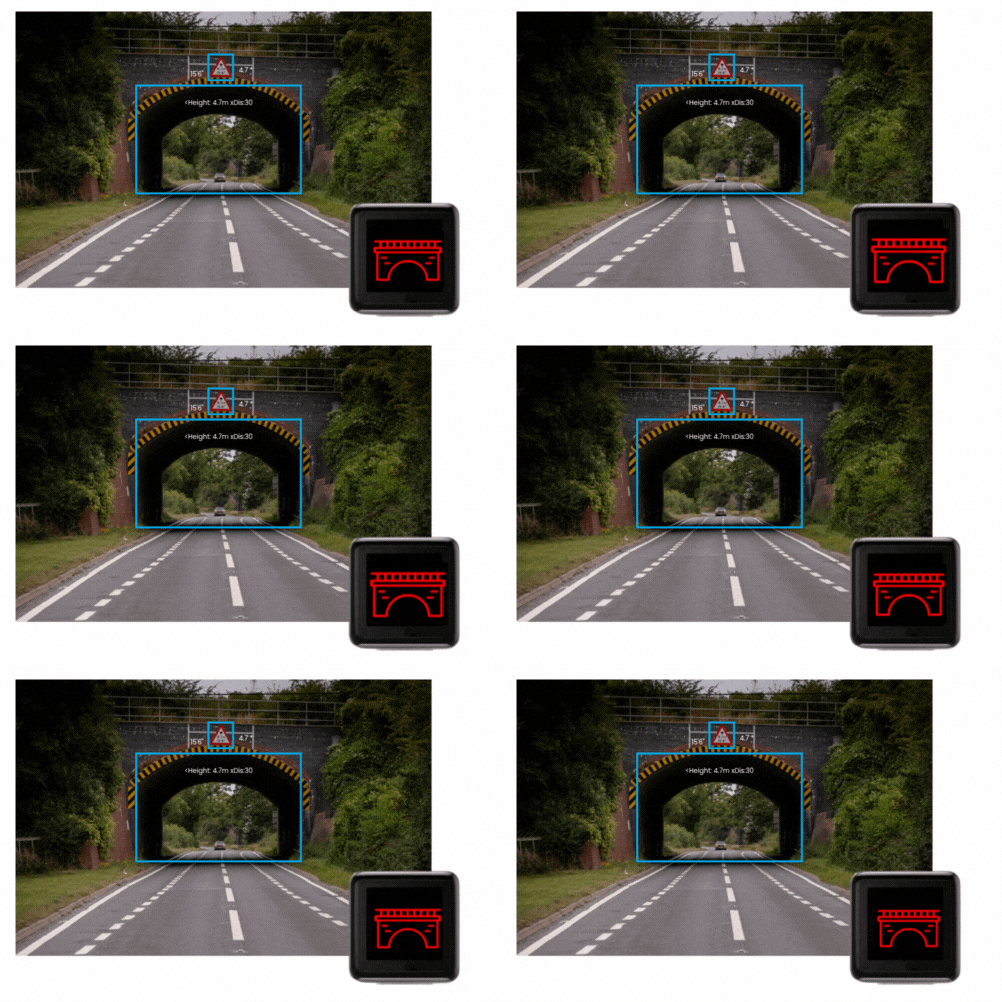
ACSS Low Bridge Warning System is an advanced, AI-powered safety solution designed to help drivers avoid low-clearance collisions. Using a combination of GPS positioning and AI-enhanced dash cameras, the system delivers real-time in-cab alerts whenever a vehicle approaches a low bridge. Our technology references a verified database of over 2,000 low bridges across the UK and dynamically calculates clearance using AI vision to read road signage and gantries. This dual-layer detection ensures drivers are given timely, accurate alerts, reducing reliance on memory or guesswork and helping them make safe decisions on the road.
The system also includes a suite of advanced driver assistance features, such as forward collision warnings and monitoring of safe following distance – enhancing road safety beyond
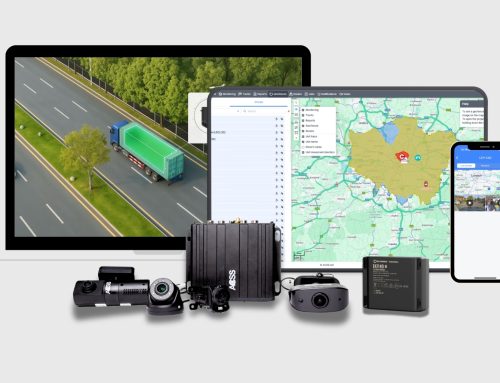
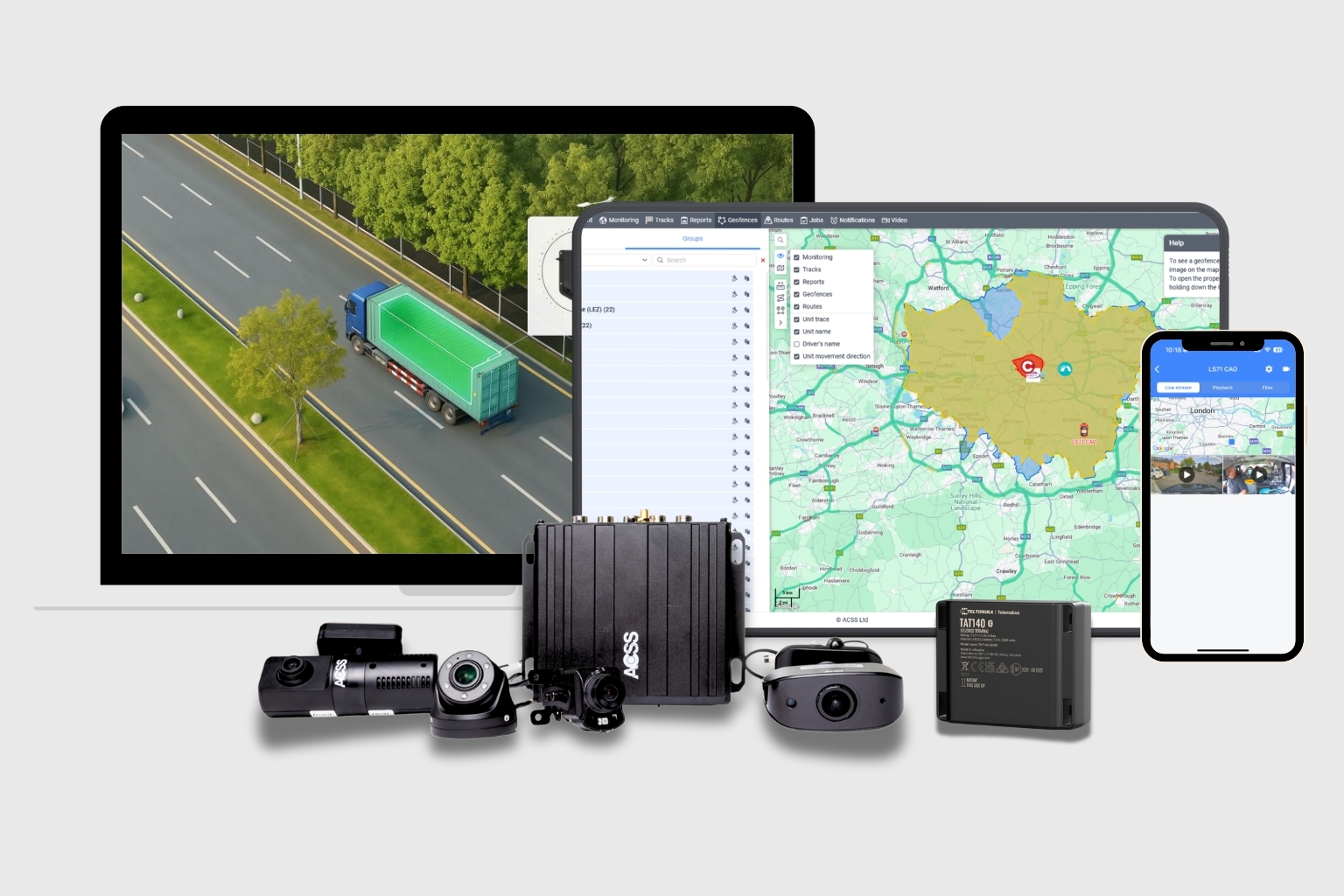
bridge strike prevention. It operates as a standalone unit or can be integrated with AC Cloud, our powerful video telematics platform, allowing fleet managers to monitor alerts, review incident footage, and generate compliance reports remotely.
Main features:
AI Sign & Gantry Detection: Reads low bridge signs and gantries in real time, alerting drivers from 50+ metres away.
Bridge Height Calculation with AI: Accurately calculates actual bridge height using dashcam vision — alerts from 50+ metres ahead.
Position-Based Bridge Detection: Uses GPS + geofencing with 2,000+ mapped UK bridges to warn drivers before it’s too late.
One Solution for All Vehicle Types: Compatible with HGVs, buses, vans, plant, coaches, and more
Driver-adjustable height via in-cab keyboard for trailer swaps
Reliable performance across fixed or variable-height configurations
In-Cab Alerts with Dashcam Integration: Real-time voice and visual warnings before low bridges, helping drivers make safe decisions instantly and preventing last minute braking or missed turns.
Continuous HD video recording captures the road and driver view for incident review
Instant playback and event tagging available directly in-cab or via AC Cloud platform
Benefits to fleet operator and driver
Low Bridge Warning Systems offer a range of benefits; these systems enhance safety by providing drivers with immediate warnings, reducing the chances of bridge strikes and helping to keep transport running smoothly, while also protecting companies from reputational damage and reducing infrastructure damage. Operators can be protected from the potential financial burden associated with bridge strikes, including the cost of insurance claims, legal fees, and cost of infrastructure and vehicle repairs. By providing alerts regardless of driver input, these systems eliminate risks from poor route planning, driver distraction, or human error. Drivers can navigate routes with greater confidence, knowing they have an extra layer of protection.