The challenges of UK winters
As we get further into the winter months and are fast approaching Christmas, safety measures for drivers become more important than perhaps at any other time of year. While every seasonal change brings its own unique challenges, winter presents a particularly dangerous combination of conditions, with drivers facing wet roads, lower temperatures, and reduced visibility. At this time of year, the hazards are numerous and can seriously impact road safety. Wet weather means reduced tyre grip and less effective braking, particularly if vehicles encounter deep water, and stopping distances can be up to 10 times greater on wet roads compared to dry conditions. Darker evenings force more journeys to take place in low-light conditions when visibility is naturally worsened, and the sun setting low in the sky during late afternoon creates significant visibility issues. Debris like leaves on wet roads create unexpectedly slippery surfaces, and high winds can pose risks for high-sided vehicles, with bridges and exposed routes becoming dangerous during severe weather events.
Driver fatigue increases during the winter months
While visibility issues caused by bad weather and shorter days might present an obvious risk, one largely overlooked safety concern is how this time of year can affect mood and tiredness levels. Studies have shown that tiredness levels increase during the winter months; light has a significant effect on sleep/wake cycles with darkness signalling time to rest, and when the days are shorter, drivers spend significantly more time travelling in darkness and driving while tired. They are also likely to face increased stress due to the difficult weather conditions, longer hours on the road and the pressure of meeting deadlines, and factors like seasonal affective disorder may also contribute to increased fatigue, agitation, and difficulty concentrating, all of which may affect driving.
The risks of driver fatigue
Driver fatigue is recognised as a major safety risk on the roads, contributing to an estimated 20% of all road collisions and up to 25% of fatal accidents. Industry research highlights that fatigue-related crashes are 50% more likely to result in death or serious injury because tired drivers often fail to brake or swerve before impact, but despite these risks and 94% of drivers admitting to being aware of the dangers, over 87% of professional drivers still admit to driving while tired.
Identifying the signs of fatigue is vital; fatigue can manifest itself in many ways, such as brain fog, tunnel vision, forgetfulness, and increased reaction times—all of which can become hazardous while driving. Combine these with poor weather conditions and there is an increased likelihood that you may be involved in a collision, posing not only a risk to safety but also leading to significant costs – estimated to be billions annually due to lost productivity.
It’s crucial for fleet operators and drivers to understand how fatigue can hinder driving ability and impact road safety, and to take steps to reduce the risks. Effective management involves strict adherence to driving hour rules, regular training, and utilising technology to monitor signs of fatigue and distractions.
How technology can enhance road safety
Fleet operators are increasingly moving beyond simple compliance to a more proactive safety culture, through use of advanced AI-powered camera systems which address driver fatigue and distraction early, before they escalate into major incidents.
Advanced Driver Assistance Systems (ADAS) use cameras, sensors and radars to enhance driver safety, by issuing alerts for behaviours such as harsh braking and steering and lane departure, while Driver Monitoring Systems (DMS) use a driver facing camera which can detect signs of fatigue or distraction and provide real time alerts to drivers if needed. These alerts don’t just reduce immediate risks but help shape better driving habits over time. By providing alerts to behaviours such as harsh braking or close following, drivers become more aware of their actions and can adjust accordingly, promoting safer and more consistent performance on the road.
Benefits beyond safety
Better insight into driving behaviour doesn’t just enhance safety; fleets using connected video and telematics insights report fewer collisions, lower insurance premiums and less downtime. Having video evidence in disputed incidents is invaluable, protecting drivers and reducing both claim time and costs, and continuous insights into driver behaviour over time helps operators benchmark performance, spot training needs early and run vehicles more efficiently.
ACSS fleet safety solutions
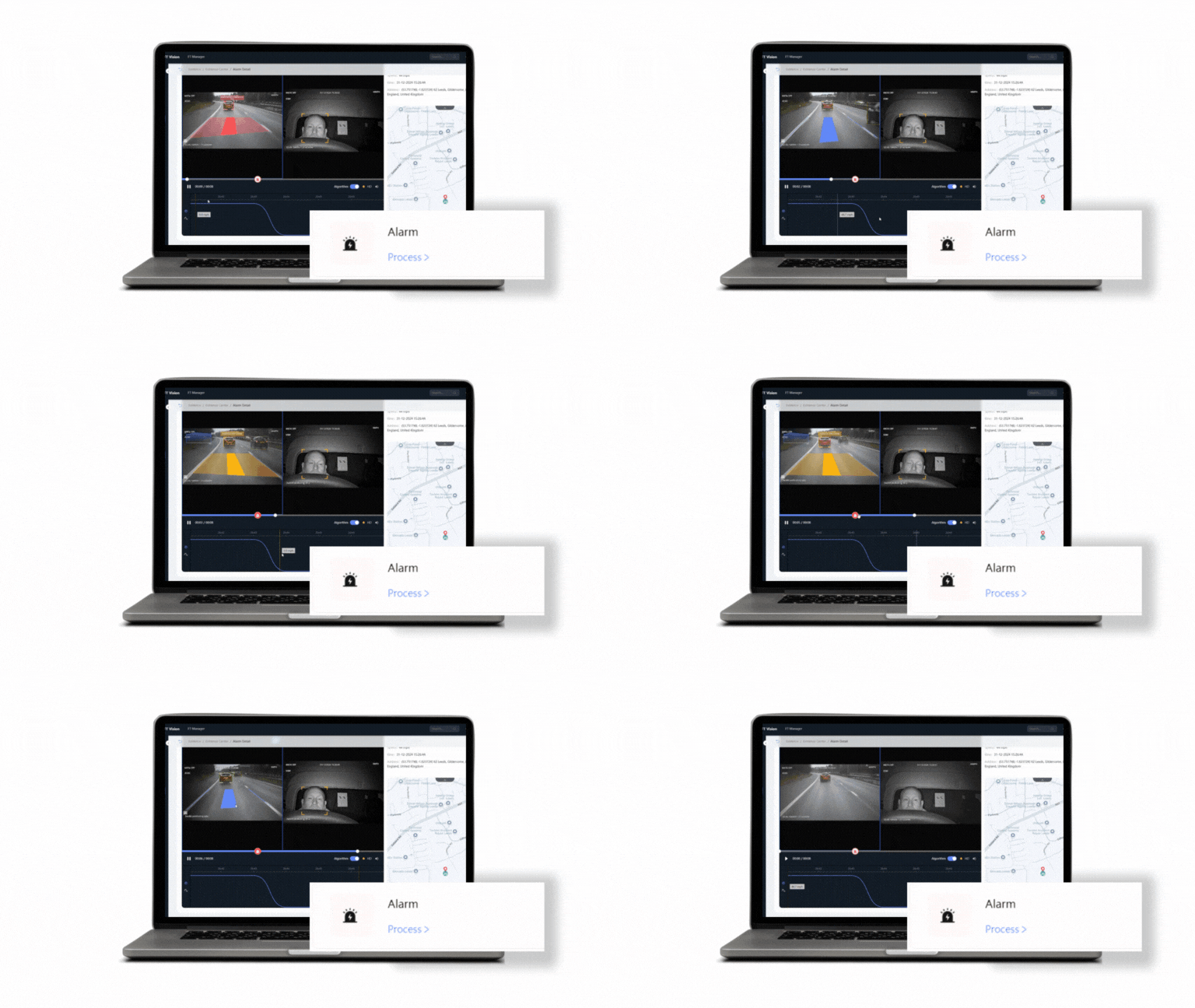
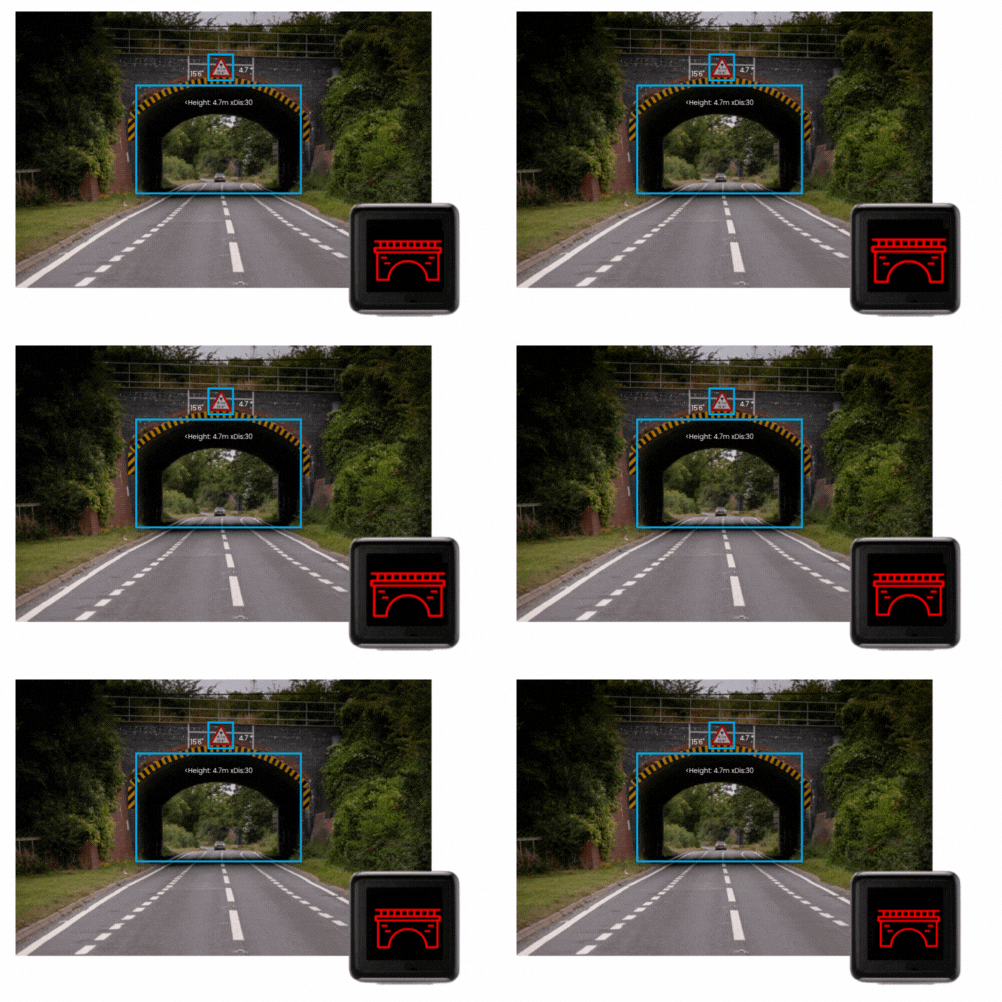
ACSS’s Driver Monitoring System (DMS) and Advanced Driver Assistance System (ADAS) provide fleets with a comprehensive safety solution. The Driver Monitoring System includes a driver facing camera that monitors drivers for signs of fatigue, distraction or mobile phone use and provides real time alerts to drivers, with the front-facing ADAS camera working alongside it to identify lane departures, forward collisions or sudden braking risks. These alerts are delivered directly in the cabin through the R-Watch, providing both audible and visible warnings that prompt immediate driver response.
The ACSS system connects to a cloud-based platform, enabling fleet managers to review event footage and identify recurring patterns in driver behaviour, an approach which not only enhances compliance but also improves overall fleet safety and accountability.
ACSS Advanced Driver Assistance System (ADAS):
Helps prevent collisions and keeps drivers alert on the road.
- Forward Collision Warning (FCW) – Alerts drivers of imminent collisions
- Lane Departure Warning (LDW) – Alerts drivers when drifting from lanes.
- Headway Monitoring Warning – Alerts when following distance is unsafe.
- Pedestrian Collision Warning (PCW) – Detects pedestrians, prevents accidents.
ACSS Driver Monitoring System (DMS):
Monitors driver behaviour and ensures compliance with safety rules.
- Fatigue Detection – Identifies drowsiness, prompts alert.
- Smoking Detection – Detects driver smoking in cabin.
- Seatbelt Monitoring – Alerts if seatbelt not fastened.
- Driver Identification – Recognises driver and logs attendance.
- No Driver Alert – Notifies fleet if no driver detected.

Driving Behaviour & Performance Monitoring:
Tracks driving habits to improve safety and efficiency.
- Harsh Braking – Detects sudden braking events.
- Sharp Turning – Monitors aggressive cornering or turns.
- Rapid Acceleration/Deceleration – Tracks abrupt speed changes.
- Speeding – Alerts on exceeding safe speed limits.

R-Watch (Driver Alert System):
Provides real-time visual and audible alerts for proactive safety.
- Visual Alerts – On-screen warnings for immediate driver attention.
- Audible Alerts – Beeps, chimes, or voice warnings for hazards.
- Proactive Safety – Combines ADAS and DMS data to prevent incidents.
- Two-Way Feedback – Supports real-time communication between driver and operator.
While winter may present challenges for fleet managers and drivers, with the right tools these challenges can be successfully navigated. With ACSS’s safety systems, your fleet can stay safe, efficient and reliable, whatever the weather.