Freight Crime – A Growing Problem
Freight crime involves illegally targeting the transportation and storage of goods, and can include theft from lorries, trailers and warehouses, fuel theft, tampering with shipments, and organised attacks on vehicles or storage facilities. The true scale of freight crime is statistically difficult to track, as there is currently no dedicated crime code for freight incidents; they are often recorded as theft from a motor vehicle, which includes minor incidents such as stealing small items from cars. However, recently reported figures from the National Vehicle Crime Intelligence Service (NaVCIS) have shown freight crime to be a growing problem in the UK; according to the NaVCIS annual report there were 3,424 reported incidents of HGV cargo crime in 2025, amounting to nine cases per day – though with many incidents going unreported, the true scale of freight crime is likely much greater than current data suggests.
The issue has escalated to the point where it has become professionalised, and is increasingly seen as a low-risk, high-reward enterprise. Freight crime is typically committed by organised crime groups who are prepared to travel hundreds of miles, and whose members are highly skilled, determined and mobile, and who also tend to be aware of police tactics and surveillance techniques. In many cases, they are the front end of a highly sophisticated network that deal with large volumes of stolen freight.
Common Freight Crimes: Curtain Slashing, Cargo & Fuel theft
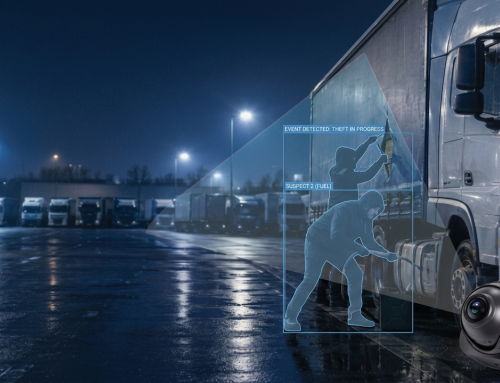
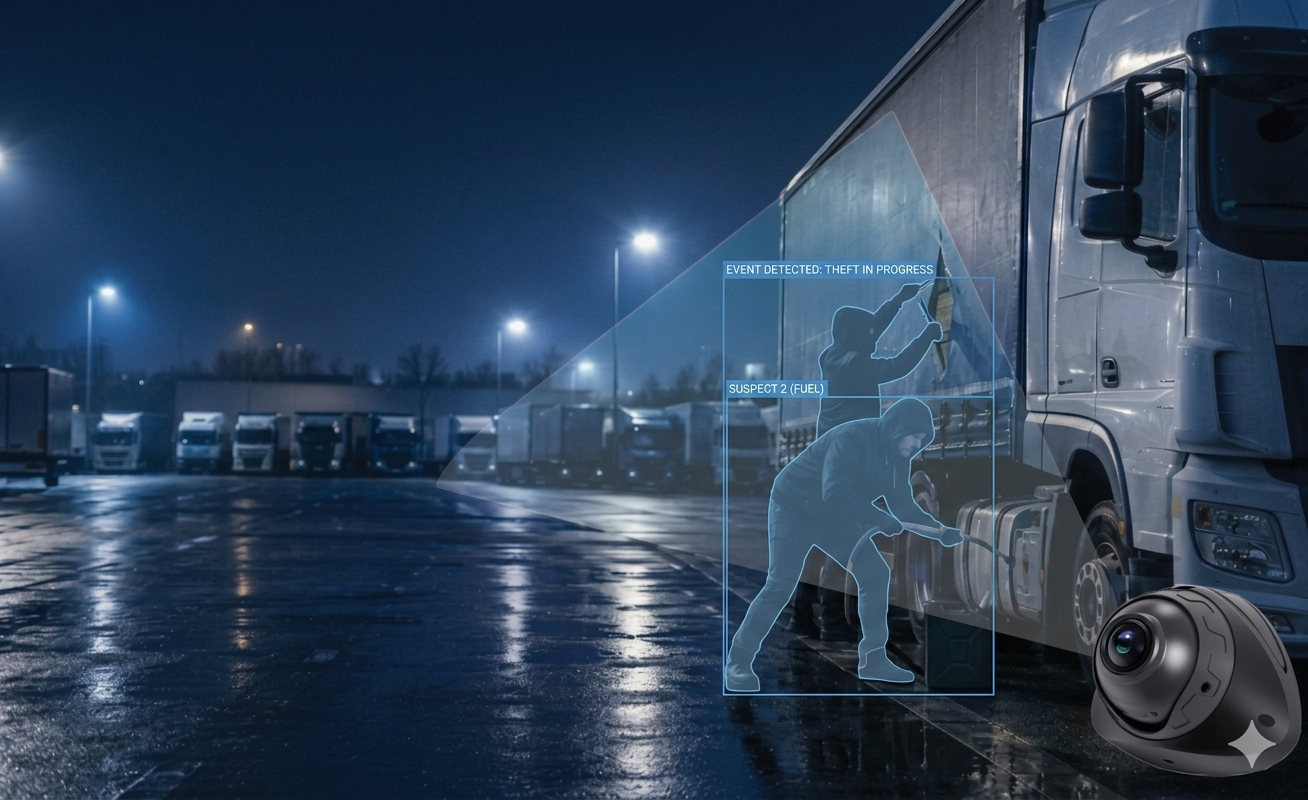
Stationary cargo thefts are common, with perpetrators often using curtain slashing and side by side transfer techniques to steal goods. Thieves will make small cuts in trailer curtains and break into trailer doors to establish what cargo is being carried, before bringing in a second vehicle for transfer of the stolen cargo. Criminals have also been known to commit jump-up thefts, hopping onto stationary or slow-moving trailers, typically while they are waiting at traffic lights, stuck in traffic or parked at a delivery location. Fuel thefts are also on the rise, with offenders gaining entry to HGV fuel tanks and siphoning fuel to plastic drums. Another common method involves the puncturing of fuel tanks, which can incur significant costs if the lorry fuel sender is damaged, costing thousands of pounds to replace. The volumes stolen in these offences can range from 100–600 litres of diesel in a single offence, a significant loss to companies.
The Risks of Unsecured Parking Areas
Criminals frequently target unsecured locations such as motorway service stations, laybys and industrial estates, which are often insufficiently lit, lacking effective CCTV and almost always being publicly accessible. NaVCIS figures show that 75% of freight crime offences happen at these unsecured locations, an alarming figure when considering the shortage of secure parking areas available to vehicles – the Department for Transport’s (DfT) National Survey found that the lorry parking utilisation rate across the UK was 83%, near critical level, with the RHA also reporting a shortage of around 11,000 lorry parking spaces. This severe lack of secure parking forces many drivers to take rest breaks at unsecured locations, making drivers more vulnerable to organised crime gangs.
The True Costs of Freight Crime
Freight crime comes with major financial losses, with offences resulting in the loss of over £68 million in stolen goods. This figure only represents the wholesale value of these goods, with NaVCIS estimating the true value of to be between £680-£700 million when accounting for loss of value in revenues, VAT and insurance. When also taking into account factors such as policing and criminal justice costs, reputational damage, damage to trucks and trailers and penalties for late deliveries, the costs of freight crime are significant. Crimes of this nature have an immediate financial and reputational impact on logistics businesses, and disproportionately damage small to medium sized businesses which make up over 90% of the sector, and who may struggle to withstand disruptions to their operations.
Practical Control Measures for Fleets
With the risk posed to vehicles increasing exponentially from the moment it is stopped, one of the biggest determining factors in minimising risk of freight crime is the choice of parking location. The lack of available truck parking spaces makes identifying suitable rest areas challenging, making it vital to plan ahead; identify your route, schedule rest breaks and aim to stop in a secure parking area. Drivers can ensure they stay alert, being aware of their surrounding and avoiding predictable routes, and ensuring that they lock all doors and secure trailers when parked. Companies can encourage using well lit, secure areas for overnight stops and utilise advanced technology, such as GPS tracking, secure locks and alarms to deter theft and protect their drivers and vehicles.
ACSS Solutions – Sentinel Cameras
Sentinel uses AI video intelligence to help fleet operators protect parked HGVs, trailers, vans and commercial vehicles from fuel theft, curtain slashing, cargo interference, vandalism and tampering. Sentinel is a standalone intelligent camera system that delivers continuous video monitoring while a vehicle is in use, extending protection even after the vehicle has been parked and the engine turned off. In low-power mode, Sentinel can provide up to 90 days of post-ignition monitoring, giving fleet operators longer-lasting protection when vehicles are unattended. It monitors high-risk areas such as fuel tanks, trailer curtains, doors and cargo access points, detects suspicious activity, and sends alerts with recorded video evidence through the live-view platform, allowing fleet operators to review incidents quickly and act before theft or damage occurs.
Key Sentinel features:
- AI detection of suspicious activity around parked vehicles
- Fuel tank monitoring to help identify potential theft
- Detection of curtain slashing, cargo interference and forced access
- Vehicle touch, tamper and intrusion alerts
- Monitoring of high-risk areas around trailers, doors and cargo access points
- Instant alerts with recorded video evidence
- Low-light recording for overnight and poorly lit locations
- Remote access through the live-view platform
- Low-power operation with up to 90 days of post-ignition monitoring
- Streamlined alert handling to support faster response and investigation
ACSS Solutions – Human Form Recognition & Cargo Monitoring Systems
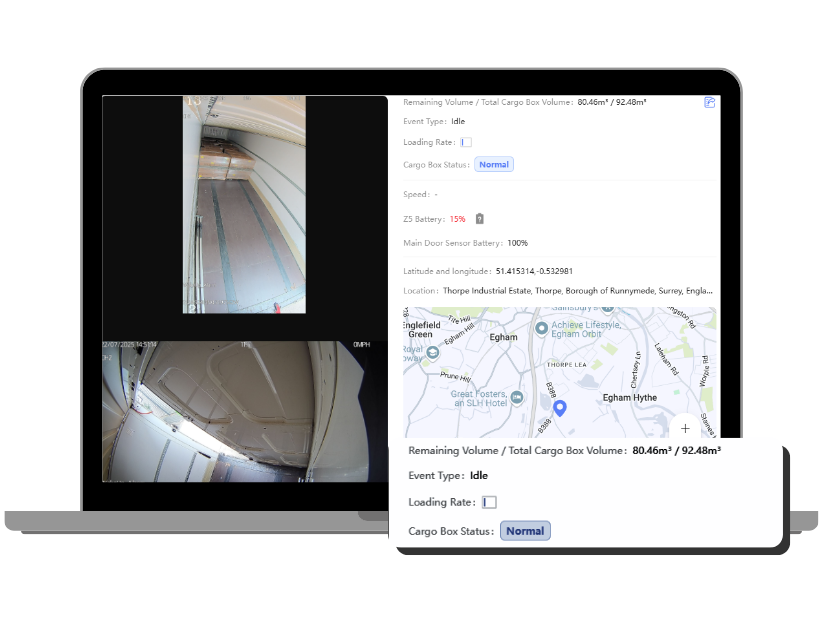
The Human Form Recognition Camera System can detect people approaching too close to the vehicle and sends real-time alerts to the driver, providing more awareness of their surroundings and potentially protecting against the rise of ‘jump up’ thefts. The Cargo Monitoring System is an intelligent dual-camera system which detects load volume, tracks loading and unloading events and monitors in-transit activity, allowing operators to know exactly what’s happening inside each trailer, from anywhere and at any time. It provides real-time load data, automated alerts, and remote video access, and can also trigger alerts when access occurs outside the allocated geofenced area. The system continues to operate even when the vehicle is turned off, providing much needed protection for parked vehicles and their cargo.
Key Cargo Monitoring System features:
- Door Open/Close Alerts – Know when trailer doors open, in motion or parked.
- GPS Loss Alert – Detect when a trailer loses GPS or goes off-route. Locate Trailers easily, even when disconnected from tractors.
- Remote Wake-Up & Sleep Mode – Activate cameras remotely for live checks
- Live Snapshot & Video Playback – View real-time or recorded picture playback of loading, transit, or parking.
- Auto Event Detection & Uploads – Events like door open/close and loading/unloading are automatically recorded and sent to the cloud.
- Video Playback for Evidence – Easily retrieve and share footage
Freight crime is a growing problem in the UK, with the figures demonstrating that it remains a daily operational risk for fleet operators, particularly when vehicles are parked overnight or drivers are forced to take rest breaks in poorly secured areas. It has for too long been seen as a victimless, opportunistic crime, but this perception neglects the significant impact on drivers, businesses and the wider economy. Given the increasingly professional nature of it, tackling freight crime is challenging but can be preventable with the right measures – planning ahead and opting for secure parking areas, ensuring vehicles are equipped with secure locks and alarms, and utilising advanced technology to deter theft and protect drivers, vehicles and businesses.