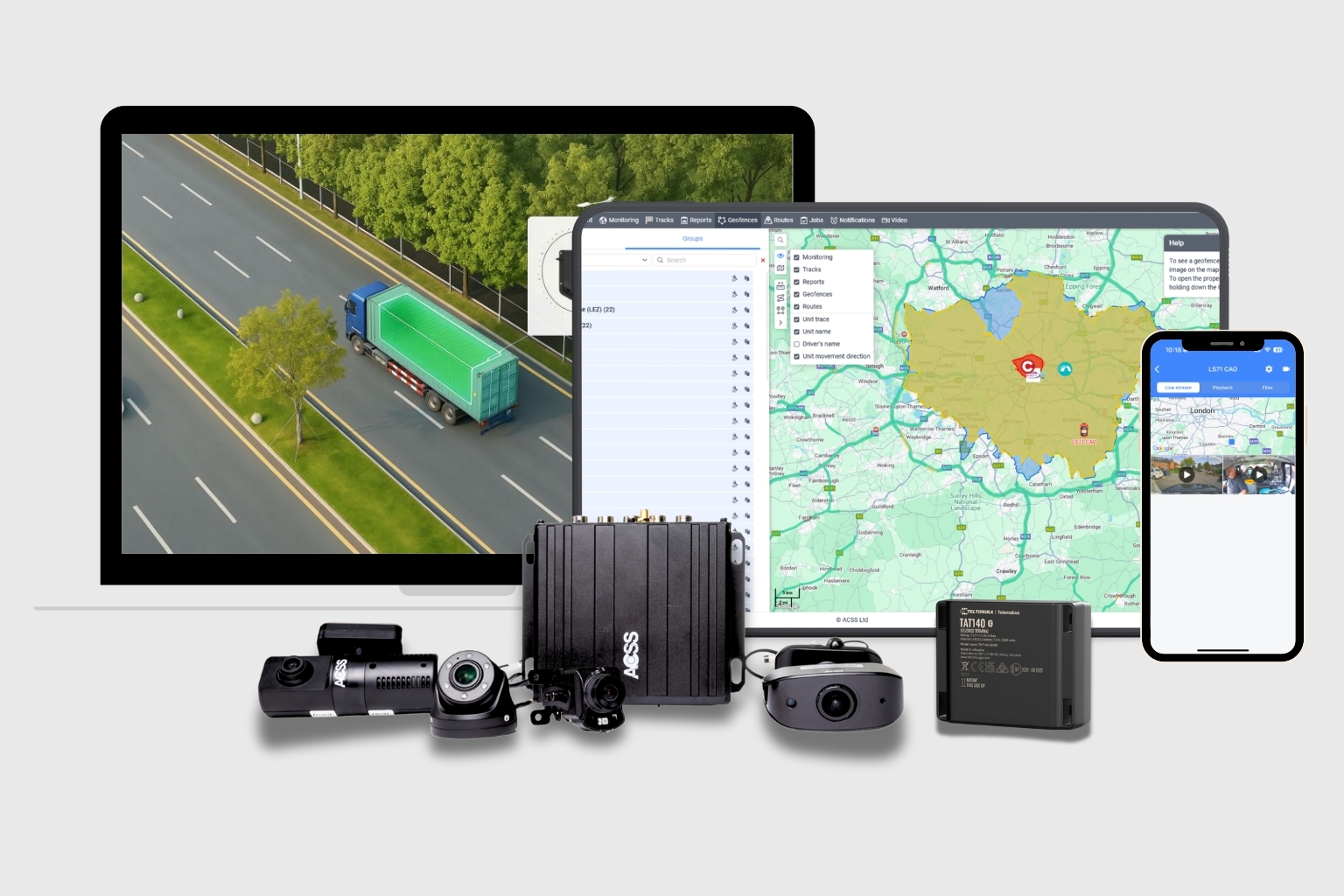
Every fleet operates differently. An operator managing temperature-controlled deliveries has very different priorities to one transporting high-value goods or running passenger services. Compliance requirements differ. Software systems differ. Risk profiles differ. Yet many fleets still rely on telematics platforms designed as generic, one-size-fits-all solutions. The common misconception around bespoke solutions relates to the costs and requirements associated with a minimum number of vehicles. At ACSS, we strive to keep costs low—sometimes even lower than those of premium telematics solutions
In today’s transport sector, that approach is increasingly outdated.
Telematics is no longer just about vehicle tracking. Fleet operators need meaningful data — information that supports compliance, improves efficiency and strengthens security. A system that simply shows vehicle location is only scratching the surface of what is possible.
At ACSS, the focus is on building bespoke telematics systems designed around the way each fleet operates. Rather than asking customers to adapt to a rigid platform, the technology is configured to integrate with existing processes, hardware and software.
Through CANbus integration, vehicles can provide detailed operational data directly into the platform. Fault codes, fuel consumption, driver behaviour and performance metrics can be monitored in real time, allowing operators to identify issues before they escalate into costly downtime. Instead of valuable information sitting unused inside the vehicle, it becomes measurable insight.
The system is not limited to vehicle data alone. With open API capability, ACSS can integrate with route planning software, CRM systems and operational platforms, bringing multiple data streams into a single interface. For fleet managers, this means fewer disconnected systems and clearer oversight.
Security is another area where tailored solutions are becoming essential. For high-value transport, ACSS works with partners to integrate telematics with remote door locking systems. Operators can monitor door status, control locking remotely and generate detailed access reports. In the event of a security threat, access can be managed directly from base, adding a further layer of control.
Additional integrations include camera systems, dashcams, asset tracking, remote tacho downloads and lone worker protection devices featuring two-way communication and man-down alerts. Alerts can be customised to reflect each fleet’s priorities, whether that is servicing schedules, hardware performance, temperature monitoring or geofence breaches.
As margins tighten and compliance pressures increase, fleet operators are recognising that “standard” telematics often delivers standard results. The competitive advantage now lies in systems that are built to match operational reality.
Telematics should not dictate how a fleet runs. It should support it.
That is the principle behind ACSS — bespoke telematics designed to fit the operation, not force the operation to fit the system.