Cargo theft is continuing to rise across the UK and Europe, with losses increasing year on year. According to the Road Haulage Association (RHA), £111 million worth of goods were stolen from lorries in 2024, up from £68 million in 2023. This level of growth suggests a sustained and organised issue rather than isolated incidents.
Recent Incident Highlights Ongoing Risk
A recent case involving KitKat underlines the vulnerabilities within cross-border transport.
A vehicle carrying approximately 413,000 units (around 12 tonnes) of confectionery products from Nestlé was stolen while travelling from Italy to Poland on 26 March. The vehicle and its cargo have not been recovered, and investigations remain ongoing with local authorities and supply chain partners.
No injuries were reported, but the incident raises concerns around in-transit security, particularly given the timing ahead of the Easter period.
A Pattern, not a One-Off
This incident reflects a wider trend rather than an isolated case. Across the UK, cargo theft continues to affect a broad range of sectors, particularly where goods are high-volume and easily resold.
Recent examples include:
- A truck carrying 400 kegs of Guinness (around 35,000 pints) stolen from a logistics hub near Daventry in December 2024
- £134,000 worth of Kinder Bueno chocolate stolen while a driver was unloading another delivery
- A driver threatened at gunpoint and robbed at Welcome Break Oxford Services (M40) in 2023
- Ongoing thefts involving alcohol, tobacco and food products across key freight routes
These incidents show that theft is not limited to a single method or location — it happens across the entire journey.
How These Thefts Happen
Cargo theft is often assumed to take place overnight at rest stops, but in reality, the methods are far more varied.
Thefts can occur:
- In transit, including targeted vehicle interception
- At delivery points, while drivers are unloading or distracted
- During rest stops, particularly overnight
- Through insider involvement, where load or route information is exposed
Industry data supports this wider picture. Reports indicate that around 76% of cargo theft incidents involve vehicles directly, whether parked, in transit or at delivery locations. In addition, food and beverage products remain the most targeted category, accounting for roughly 22% of thefts across 2023 and 2024.
What links these scenarios is not timing, but opportunity and visibility gaps. Criminals are identifying when and where monitoring is weakest — and acting quickly.
The Visibility Gap
A common factor across many incidents is the lack of real-time visibility during key moments of the journey.
Operators may know where a vehicle is, but not:
- when a trailer is accessed
- what activity is taking place inside
- how long a vehicle has been stationary
This delay between incident and awareness significantly reduces the chances of recovery and increases overall loss.
Strengthening Control in Transit
As cargo theft becomes more consistent, the focus is shifting towards improving visibility and response.
This includes better tracking of trailers, monitoring of cargo access, and receiving alerts when unexpected activity occurs — whether the vehicle is moving, parked, or at a delivery point.
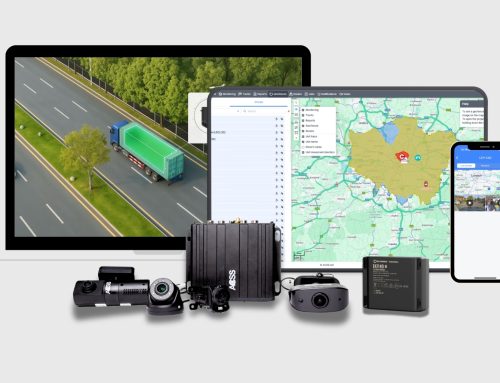
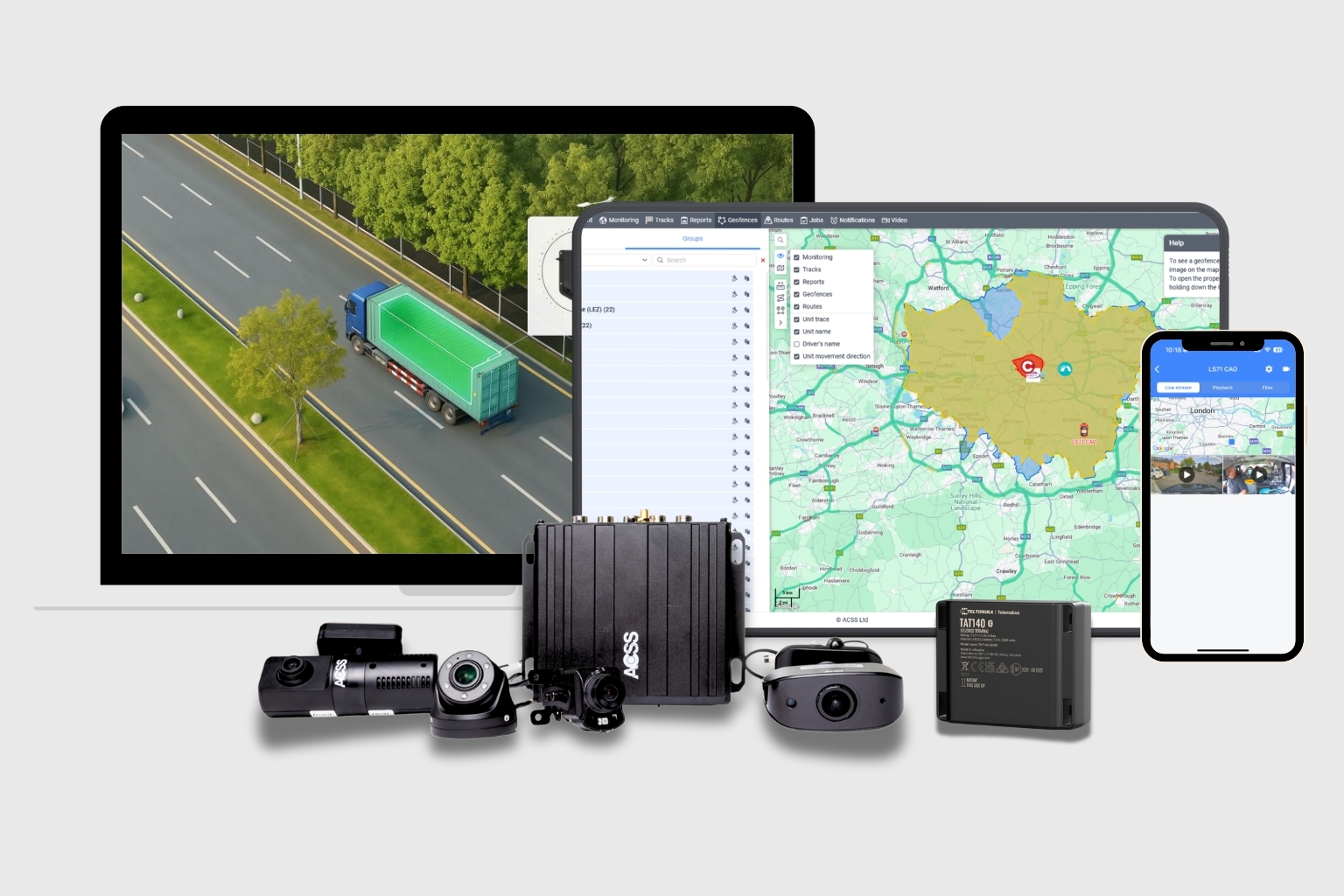
Solutions such as those offered by ACSS support this approach by combining tracking, cargo monitoring and real-time alerting. Features such as door alerts and trailer activity notifications help operators maintain oversight and respond more quickly when something isn’t right.
Reducing the Risk of Cargo Theft
As cargo theft becomes more varied in how and where it occurs, reducing risk is increasingly about improving visibility and control rather than relying on a single deterrent. A combination of monitoring, alerting and access control measures can help operators respond earlier and limit exposure during key risk points in the journey.
ACSS Cargo Monitoring Cameras provide a comprehensive solution for trailer security, even when the trailer is not powered. These cameras include door open/close alerts, automatic event uploads, and continuous monitoring while parked, operating independently for up to 120 days without external power. Fleet operators can also track trailer parking time, location, and heatmaps, while receiving off-route alerts if a vehicle deviates from its planned route. Together, these features give operators full visibility of high-risk periods and locations, allowing for faster response and improved asset protection.
Motion sensors and onboard cameras can provide an early warning when unexpected activity takes place. Systems that trigger alerts based on movement inside the cargo area allow both drivers and fleet teams to respond quickly, particularly when vehicles are unattended.
ACSS Remote locking and access control adds another layer of protection. Being able to monitor and control when cargo doors are opened — especially outside of planned stops or geofenced locations — helps reduce the risk of unauthorised access.
Live CCTV monitoring supports real-time decision making. With connected systems, operators can view activity as it happens and receive automatic alerts when unusual events occur. Importantly, footage can also be securely stored in the cloud, ensuring evidence is retained even if hardware is damaged.
Trailer and asset tracking is also becoming essential. Monitoring the trailer itself, not just the tractor unit, provides full visibility across the journey and helps prevent assets from going missing without trace.
Solutions such as those developed by ACSS bring these elements together, giving operators a more complete view of their fleet and cargo — particularly during high-risk periods such as overnight stops, delivery windows, or unplanned delays.
Conclusion
Cargo theft is not limited to specific goods, locations, or times of day. It is a broader operational risk that continues to evolve alongside supply chains.
What recent incidents show is that theft can happen at any stage of the journey — and often when visibility is lowest.
Improving that visibility is increasingly becoming a key factor in reducing risk and maintaining control.